Risks like cybersecurity threats, phishing scams, and unauthorized payments are common. AP professionals must also navigate complex regulations, such as tax compliance and international trade laws, to avoid costly penalties. With manual systems, it’s hard to track the status of invoices in real time. This lack of visibility makes forecasting difficult, increases the chance of missed discounts, and prevents finance leaders from making timely, data-driven decisions.
Accounts payable turnover ratio
- These platforms manage the entire process from invoice capture to payment reconciliation.
- Accounts payable is ideal for keeping track of expenses and money owed to suppliers for essential business processes.
- Mixing the two up can result in a lack of balance in your accounting equation, which carries over into your basic financial statements.
- AP automation provides vendors with clear payment status visibility and efficient issue resolution, fostering stronger business partnerships.
- When AP goes up, it eventually goes back down (ideally within the payment due date).
- Since most invoices are due within 30 days, you don’t want many outstanding invoices unpaid beyond 30 days.
Because accounts payable are typically paid within one year (or earlier), they are current liabilities. This QuickBooks Accountant article discusses accounts payable, explaining its role and importance in clear, straightforward terms so you can learn exactly why it’s so important to your business’s financial health. Regularly calculating accounts payable provides insights into financial health. Analyzing key AP metrics helps identify trends and inefficiencies, enabling targeted improvements and informed decisions. Accounts receivable refers to money customers owe your business so it is considered an asset.

The AP balance sheet, the income statement & journal entries FAQs
AI-driven accounts payable automation is essential, with automated controls for approval, OCR scanning, multi-payment processing, vendor management, and so much more. The money owed to creditors is listed under the “current liabilities” section, which is typically short-term and 90 days or less for accounts payable. The accounts payable balance is a net credit, representing a liability for unpaid invoices. When a business makes payments or receives a credit memo, a debit to AP is recorded to reverse its credit balance. In short, accounts payable represent money your business owes suppliers, while accounts receivable represent money owed to you by customers. During invoice processing, verifying the accuracy of vendor invoices and the validity of suppliers is essential to help prevent errors and fraud before approving and paying the invoices.
Credit Risk Management
This process includes reviewing outstanding items, analyzing aging reports, and preparing financial statements while identifying any issues requiring attention before period-end closing. Maintaining comprehensive supporting documentation involves organizing and storing all relevant records securely. This includes digital copies of invoices, purchase orders, receiving documents, and payment confirmations to support audit requirements and ensure compliance with record retention policies. Recording payable amounts requires entering the obligation in the accounting system using proper double-entry bookkeeping principles. This includes debiting appropriate expense accounts and crediting accounts payable while ensuring all entries are properly dated and documented. Account code assignment involves categorizing expenses according to the chart of accounts and cost centers.

Makes audits and compliance easier
Also, he pays suppliers by scheduling pay checks and ensures that payment is received for outstanding credit. In addition to this, effective accounts payable management practices ensure that you’re building trust with your suppliers by honoring the agreed payment terms and paying your what does accounts payable mean suppliers on time. Building trustworthy and strong relationships with suppliers are essential, because it’ll help you to receive goods on better credit terms from your vendors.
Best Practices for Managing Accounts Payable

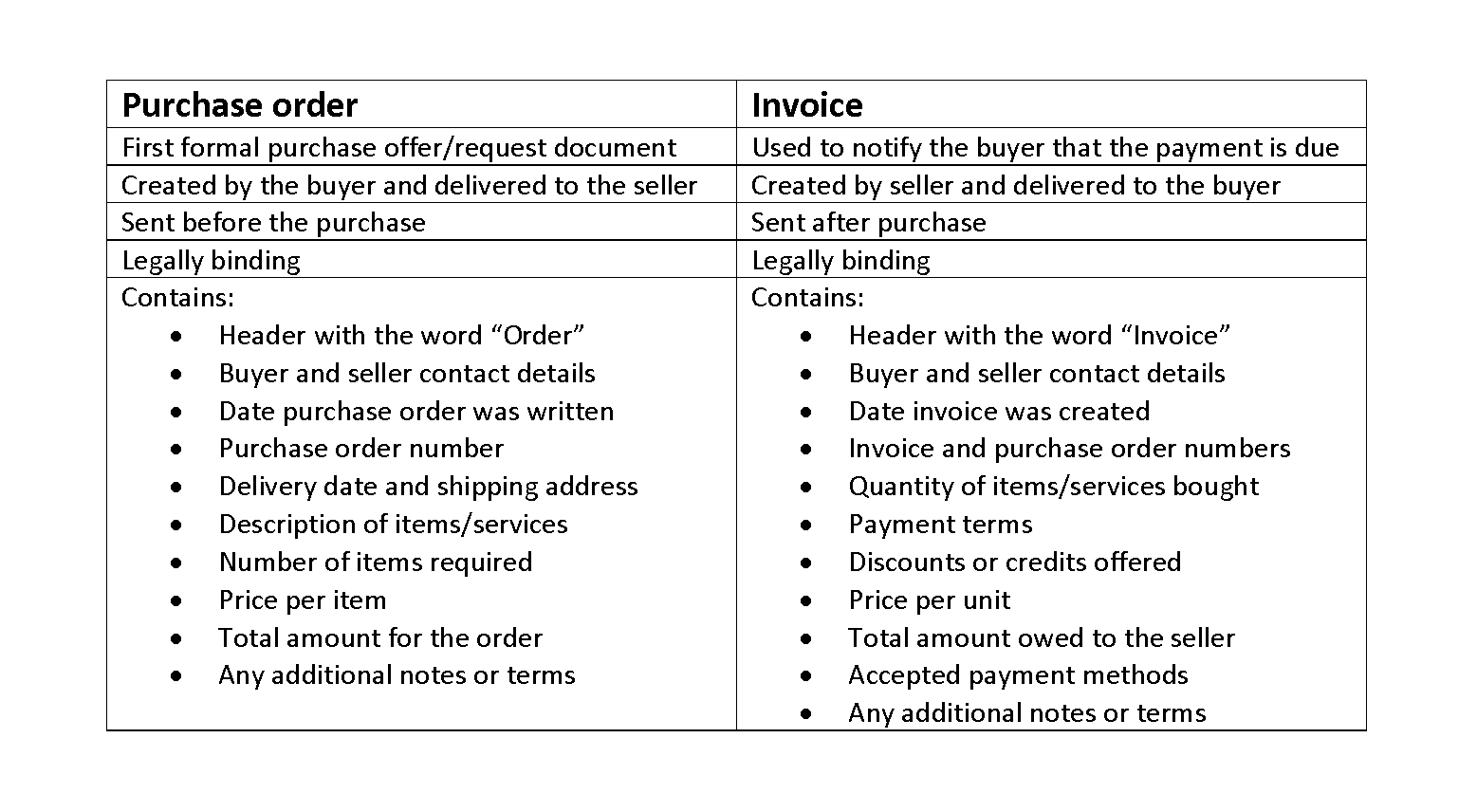
Assume, for example, that Alvin Manufacturing needs to order a $10,000 piece of machinery. Before the order is placed, the plant manager must complete a PO, which lists the machinery’s price and other details. Assume, for example, that Acme Manufacturing needs to order a $10,000 piece of machinery.

Each example underscores the wide variety of financial obligations that fall under accounts payable, all of which must be handled meticulously. From business travel to meals and office supplies, employees often incur expenses on behalf of the company. These reimbursements are recorded in AP and are important for https://www.bookstime.com/ ensuring employee satisfaction and trust. Company A purchases raw materials for producing leather jackets from Company B. The total purchase amount for the former is $39,000. You might decide to set up a weekly, bi-weekly or monthly schedule, depending on the number of invoices you receive and your business’ cash flow.